
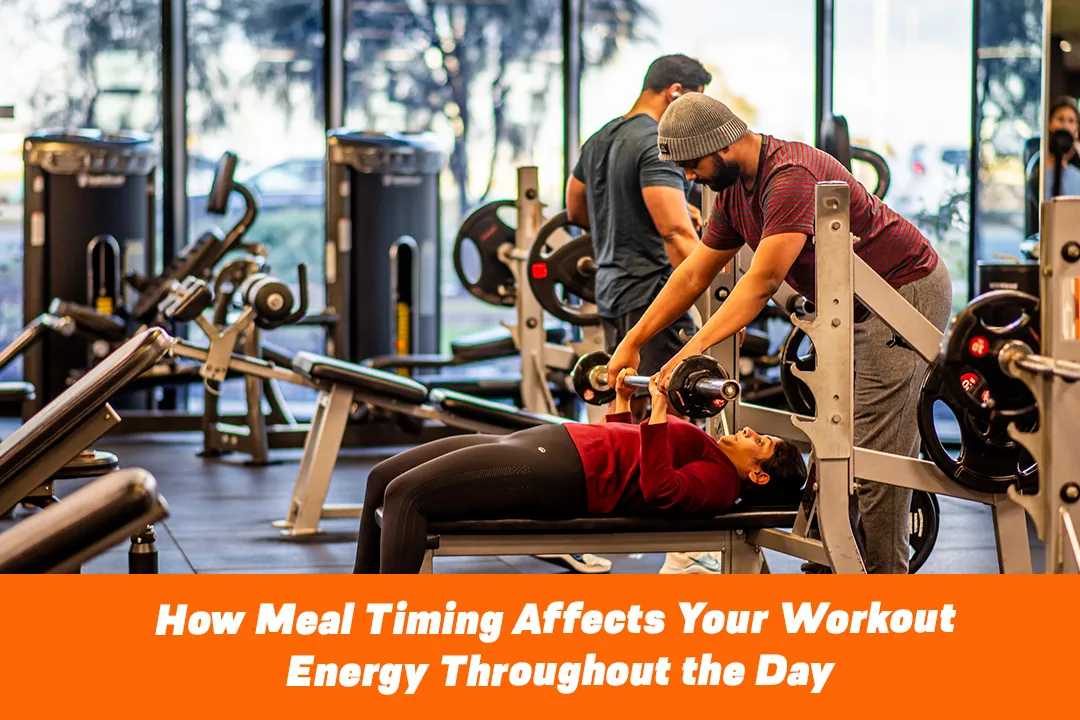
Many people focus heavily on what they eat but overlook an equally important factor—when they eat. Meal timing can have a significant impact on workout energy, physical performance, and recovery throughout the day. Even with a balanced diet and regular training routine, poor timing around meals can leave you feeling tired, unfocused, or low on energy during workouts.
At Kahma 24/7 Gym Truganina, understanding how daily habits affect performance is an important part of building a sustainable fitness lifestyle.
The body naturally experiences energy fluctuations throughout the day. Factors such as sleep, stress, hydration, activity levels, and meal timing all influence how energetic you feel during workouts.
When meals are skipped or delayed for long periods, blood sugar levels can drop, leading to fatigue and reduced focus. On the other hand, eating too heavily before exercise can leave you feeling sluggish and uncomfortable.
This balance becomes especially important for people trying to stay active while managing work, commuting, and family responsibilities. A well-timed meal can improve workout quality, endurance, and overall consistency.
What you eat before exercise directly affects how your body performs. A balanced pre-workout meal provides the body with fuel to support movement, strength, and endurance during training sessions.
Eating too little before a workout often leads to low energy and early fatigue. Meanwhile, eating a large meal immediately before training may slow movement and reduce comfort during exercise. Finding the right timing allows the body to digest food properly while still providing enough energy for performance.
Many members training at the best gym Truganina residents trust notice better results when they pay closer attention to meal timing rather than relying only on workout intensity.
Meal timing doesn’t only influence physical energy — it also affects concentration and workout quality. When energy levels are stable, it becomes easier to maintain focus, proper form, and training intensity.
Low energy can make exercises feel harder than usual, reducing motivation and limiting performance. This is particularly noticeable during strength training sessions where both mental focus and physical output are important.
Stable eating habits throughout the day help maintain more consistent energy levels, making workouts feel smoother and more productive.
For many people, busy schedules mean workouts happen after work or later in the evening. In these cases, meal timing becomes even more important. Long gaps between meals can reduce workout energy and increase fatigue by the end of the day.
At the same time, eating large meals too close to evening workouts can create discomfort and reduce movement quality. The goal is to find a balance that supports energy without making the body feel heavy or sluggish during exercise.
A supportive environment, such as a women-friendly gym Truganina members feel comfortable training in, can also help people build healthier routines around both exercise and nutrition.
Meal timing continues to matter even after training ends. Recovery is influenced by how well the body replenishes energy and repairs muscles following exercise. Delaying meals for too long after workouts can slow recovery and leave you feeling more fatigued the next day.
Consistent nutrition habits help support muscle recovery, energy restoration, and overall performance. Combined with proper hydration and sleep, meal timing becomes a simple but effective way to improve long-term fitness progress.
This is especially useful for people balancing fitness goals with busy lifestyles and looking for practical solutions that fit into everyday routines.
The best fitness routines are not built on extreme diets or perfect schedules. They are built on realistic habits that support long-term consistency. Understanding meal timing helps people train more effectively without overcomplicating their routine.
Choosing a convenient and
cheap gym Truganina locals can access regularly also makes it easier to stay consistent with both workouts and healthy habits. Convenience often plays a bigger role in long-term success than motivation alone.
Small changes, such as planning meals around training sessions or avoiding long gaps without food, can lead to noticeable improvements in energy and performance over time.
Meal timing is one of the most overlooked parts of fitness. While exercise and nutrition are important, the timing of meals quietly influences energy levels, focus, recovery, and workout quality throughout the day.
By paying attention to when you eat — not just what you eat — you can support better performance and create a more balanced fitness routine. Sometimes, improving your workouts doesn’t require major changes. Simple adjustments to daily habits can make a significant difference in how you feel, move, and recover.