
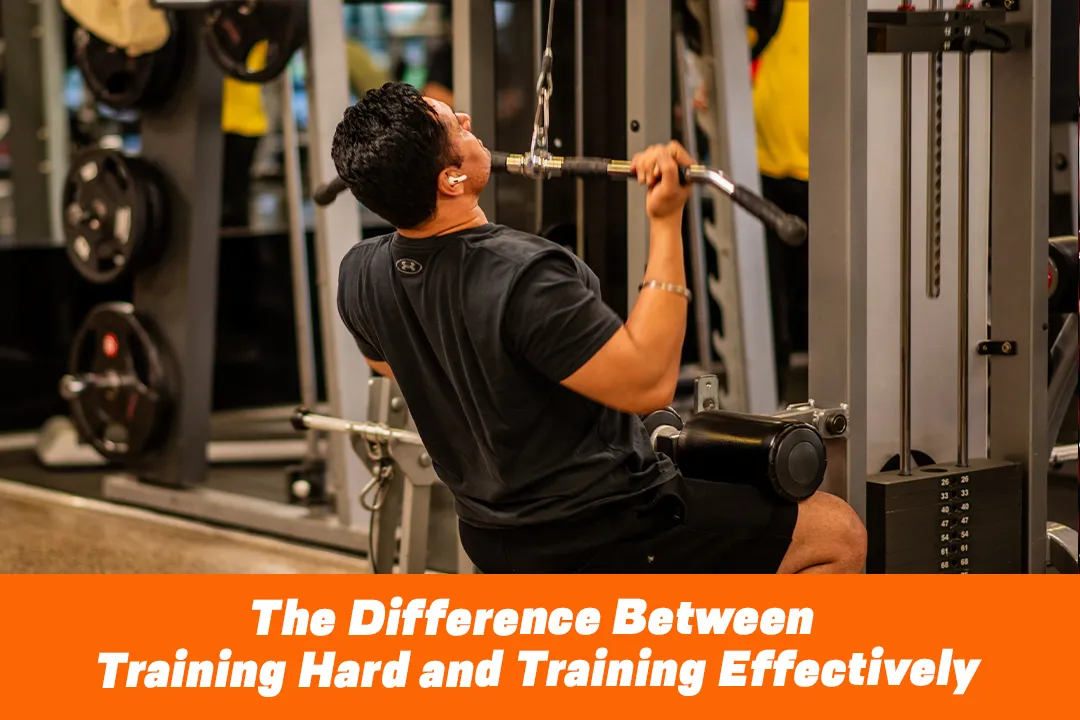
A lot of people think that fitness success is mostly about pushing harder in every single workout. Like, more sweating, lifting heavier weights, and spending extra hours in the gym are often treated as proof that you’re moving forward. While dedication and effort matter, training hard does not always mean training effectively.
Training effectively is more than intensity; it’s about having a focused plan, using proper form and clean technique, and giving your body enough time to reset, recover, and actually adapt. Once you understand the difference between working harder and working smarter, you can get stronger results and, at the same time, reduce burnout risk and avoid those annoying unnecessary setbacks that feel like they come out of nowhere.
No doubt that effort matters in fitness. Pushing yourself during workouts helps build strength, endurance, and confidence. But when you keep pushing your body right to the edge, without a plan or any real structure, it can sometimes end up doing more damage than good.
Effective training is mostly about mixing intensity with meaning. Instead of trying to do everything in a single session, it puts first the exercises that actually match what you want. Whether your goal is stamina improvements, lean muscle growth, or just overall readiness, having a strategy lets you move forward bit by bit over time.
Also, the best fitness routines aren’t always the toughest ones. Usually they are the routines people can stick with day after day and somehow still feel consistent.
One of the most common mistakes people make is thinking that longer, or more intense, sessions will automatically give better results. But usually it’s the opposite; doing the exercise with good technique is more helpful than just piling on extra reps or the amount of weight lifted.
When you keep solid movement patterns, you tend to pull in the right muscles, your coordination gets sharper, and you avoid unnecessary stress on your body. Mastering the basics creates a strong foundation that allows you to safely increase the intensity of your workouts in the future.
Many people participating in weight training programs in Truganina quickly realise that proper form and controlled movements are just as important as the amount of weight on the bar.
Exercising too intensely without giving yourself sufficient recovery periods can result in exhaustion, poor results, and decreased motivation. After training, muscles have to restore themselves and become stronger, so the role of rest becomes crucial.
Recovery days, enough sleep, and a balanced diet will allow you not only to build muscles and gain energy but also help your body adjust to new conditions.
Taking a day off is sometimes considered a regression by people, while in reality, recovery is one of the most important elements of success.
Not every workout should feel the same because, depending on your fitness goals, you really end up needing a different approach. If someone is chasing endurance, they will typically choose something different than a person who is trying to build strength or boost athletic performance.
For instance,
HIIT training programs in Truganina are usually created to mix quick rounds of intense effort with recovery breaks, so people can raise cardiovascular fitness while also working on endurance over time. Meanwhile, strength-driven routines tend to focus more on carefully controlled resistance work, along with progressive overload, so the body keeps adapting.
When you understand what you’re aiming for, it becomes easier to pick sessions that are effective yet still doable long-term, instead of depending only on high intensity.
Most people start their fitness journey with real energy, and they try to work as hard as they can, right from the start. And sure, it can feel “efficient” in the short term, but then it gets hard to stick with it quickly.
What really works is training that stays steady. Instead of chasing rare, extreme sessions, you want a rhythm that you can actually keep showing up for. A well-rounded routine that matches your daily life will usually do more for you than a plan that leaves you drained after only a few weeks.
Also, the setting matters more than people think. Being around a supportive women’s gym can help you build solid habits by moving you toward long-term progress, not the quick-solution mindset.
One of the biggest differences between training hard and training effectively is that you have to get it: fitness is a gradual process. Results do not show up overnight, and if you try to rush things by raising intensity too quickly, it can leave you frustrated pretty fast.
A smart training plan usually has gradual progression, realistic goals, and routine adjustments based on what your body can do and how much experience you’ve got. Over time, those small improvements start stacking up, turning into real change in strength, stamina, and overall well-being.
People who take part in
strength training programs in Truganina often see the best outcomes, because they focus on sustainable progress instead of constantly testing their limits.
Working hard is part of fitness, sure, but just “more” effort isn’t enough, not really. You need an approach that blends steady effort with some planning, recovery, and enough consistency so your routine keeps you going for the long run.
Instead of judging success by how wrecked you feel after a session, try to notice if your training helps you get nearer to your goals. When you put quality first over raw quantity and strategy ahead of pure intensity, it gets easier to form habits that actually last.
Fitness isn’t about doing the maximum; it's about choosing what fits your body best and sticking with the path.