
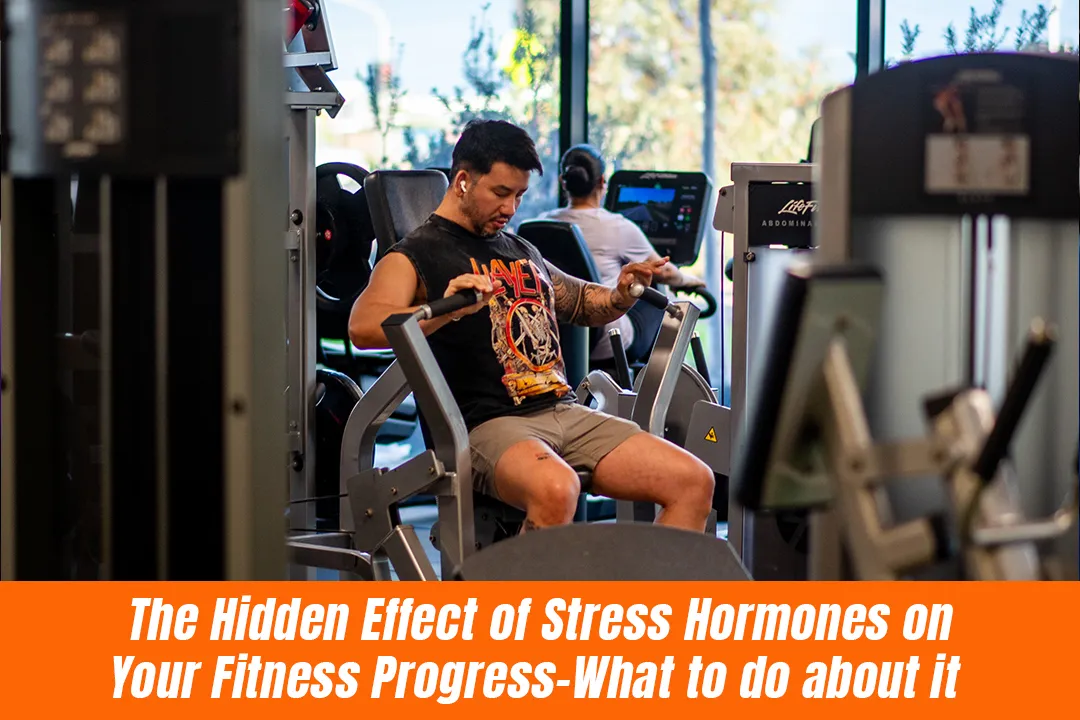
Most people think that when they are no longer making progress with their body in the gym, it is because of their exercise program or their diet plan. What many people don't realize is how impactful the hormonal environment can be in relation to whether or not you impact your fitness goals specifically with one of the most significant ones being the stress hormones and specifically cortisol. No matter how hard you train or how perfectly your diet is set up, if the hormonal environment is incorrect, your body will begin to slow down fat loss, halt muscle building, and deteriorate recovery.
Understanding how stress can affect your body is extremely important for athletics before it's just as important when seen from a general long-term health approach. Below is a scientifically explanation of how the hormones of stress work and what you can do to get them back into balance.
The first stage of stress hormones is your body's natural defense system. Whenever you're mentally, emotionally, or physically exhausted, your adrenal glands produce two hormones; cortisol and adrenaline. For a quick burn, these hormones serve us well as they heighten awareness, provide more energy, and improve our ability to deal with stressful situations.
Chronic stress, however, results in perpetuated high levels of cortisol. When that occurs, it disrupts fat metabolism, muscle repair, sleep cycles, and appetite regulation; making it extremely difficult to see progress despite how disciplined your training or diet is.
Long-term elevation in cortisol can blemish your fitness goals in a number of ways:
These are not personal failures, but rather physiological responses. Your body is in what is essentially a kind of "protective mode" when cortisol levels are high, rather than a "performance mode."
You may be dealing with stress-related fitness issues if you have noticed:
If these symptoms sound familiar, the problem may not be your workout — it may be your stress load.
One of the best tools for stress reduction is exercise. Workouts, especially strength, cardio, and functional fitness, help release endorphins and control cortisol.
On the other side, pushing too hard without rest may actually have the opposite effect. Extremely high-intensity workouts, conducted too often, can raise cortisol even further and result in burnout, stagnation of progress, or frequent injuries.
Make sure that your balanced training plan includes rest days, moderate-intensity options, and variety to keep the levels of stress hormones in check. Your body will have time for recovery and recharging, and this will dramatically improve your progress.
Stress hormones are managed not by radical life changes, but rather by small, consistent habits. Pay attention to quality sleep of about 7-9 hours; this will have a regulating effect on cortisol and help in muscle repair. Eat frequently and eat balanced meals with lean protein, whole grains, healthy fats, and colorful vegetables to maintain blood sugar levels and avoid spikes in cortisol throughout the day. Be well-hydrated, too, because even slight dehydration can raise the levels of stress hormones. Engage in mindfulness practices such as deep breathing, stretching, or meditation that calm the nervous system. Take rest days and avoid overtraining so that muscles recover. All these habits support a healthier hormonal environment, which will make fitness progress easier and more sustainable.
Here are some easy ways you can reduce your level of stress and generally improve your performance:
With these minor adjustments, you're placing your body in a position to foster fat burning, muscle gain, and overall energy.
Working out is not just about lots of effort, it's about working with your body, not against it. Stress hormones like cortisol make a huge difference in how well you build muscle mass, lose body fat, or recover. When these hormones are out of balance progress will be slow and frustrating, it is what it is. The good news is we can create some form of balance back in our lives by making some simple and sustainable lifestyle changes. When we look after recovery, address our distress levels, eat well, and train smart we will not only see better physical outcomes- we will feel even more energized, focused, and motivated. A
health and fitness journey is not only about the physical. It is behavioral, hormonal, emotional, and mental. When you work on all four- things get better.
Take control of your fitness and stress levels with a supportive community at
Kahma Truganina Fitness Center. Start your journey today with a flexible
Truganina gym membership.